

Vice President JD Vance has delivered one of the sharpest assessments of the Republican Party's disastrous midterm elections, publicly identifying the war with Iran as the central reason voters turned against the GOP.
His comments have raised questions about how the administration will approach the conflict and whether Vance is beginning to establish a separate political identity ahead of the next presidential election.
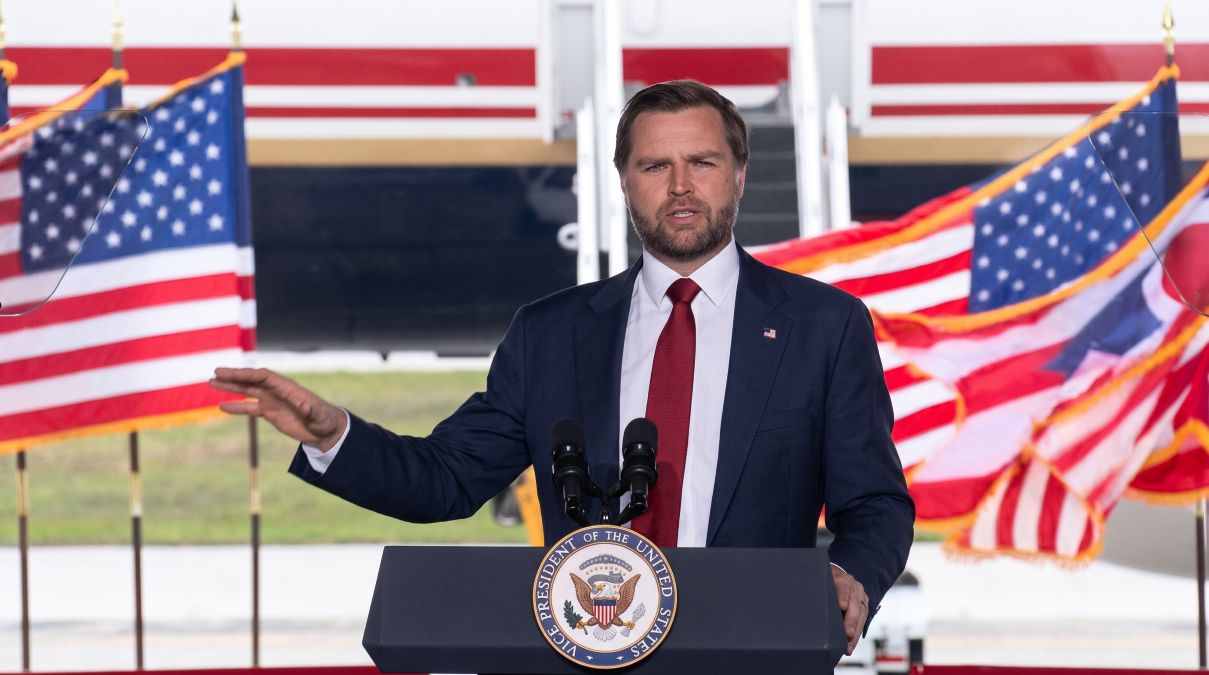
On Wednesday, November 4, Vance posted a blunt assessment on X after Democrats secured control of both the House and Senate. He argued that the war had cost Republicans the election and questioned whether the conflict had been worth the political consequences.
His remarks went considerably further than the usual explanations offered by members of a defeated governing party. Republicans have cited economic anxiety, voter dissatisfaction and weaknesses in campaign strategy. Vance placed the war at the center of the problem.
The intervention was striking because the vice president is one of Trump's most prominent allies and a leading potential contender for the Republican presidential nomination in 2028.
Vance Identifies the Political Cost of the War
The conflict with Iran has created substantial challenges for the administration. Beyond its military and diplomatic consequences, the fighting has contributed to higher energy prices and intensified concerns about the cost of living.
Those economic pressures became an important issue for voters during the midterm campaign. Vance acknowledged that connection and suggested that the administration had underestimated the political consequences of a prolonged conflict.
He also defended an earlier recommendation to bring the war to an end. That statement was especially significant because it suggested the vice president had previously favored a different course from the one ultimately pursued.
Vance did not announce his resignation or declare opposition to the administration's broader foreign policy. But his comments exposed an uncomfortable reality for Republicans.
The war had become politically costly, and the vice president was willing to say so publicly. The results offered evidence that voters were dissatisfied with the country's direction.
Democrats won Senate races in states that had supported Trump in 2024 and captured congressional seats that Republicans had expected to defend. The party's losses were not confined to one region or one type of electorate. For Republicans, that made the election particularly difficult to explain away as an isolated failure.
Trump Defends a Different Calculation
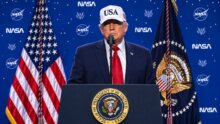
Trump responded to Vance's comments without publicly turning against him. According to Reuters, the president said he understood the vice president's perspective and described his remarks as acceptable.
But Trump also defended the military campaign, arguing that it had prevented Iran from obtaining a nuclear weapon. That defense reveals the central difference between the two men's public positions.
Vance emphasized the war's political cost. Trump emphasized what he considered its national security justification. Both arguments can exist within the same administration, but they point toward different priorities.
A military operation may be politically damaging even if its supporters believe it achieved an important security objective. Conversely, political frustration does not by itself establish whether a military strategy was necessary, effective or justified.
Assessing those questions would require examining the administration's intelligence claims, the conflict's outcomes, the human costs and the diplomatic alternatives. The election results cannot resolve those issues on their own.
But they can influence what happens next. An administration that has lost control of Congress faces a more challenging environment for defending prolonged military involvement abroad.
Why the Remarks Matter for 2028
Vance's political future provides another reason his comments are attracting attention. As vice president, he is closely associated with Trump's administration and its decisions.
At the same time, he may eventually need to persuade Republican voters that he can lead the party beyond Trump's presidency. That creates a delicate balancing act.
Vance cannot easily separate himself from the administration's record without inviting questions about his role in its decisions. Yet defending every policy without qualification could leave him politically exposed if those policies remain unpopular.
His criticism of the war's consequences may therefore serve multiple purposes. It allows him to acknowledge voter frustration, present himself as attentive to the electoral warning and demonstrate that he is willing to offer a different assessment from other administration officials.
None of that proves he is preparing a direct challenge to Trump. He has not broken with the president over the legitimacy of the administration itself. Nevertheless, the episode illustrates the pressures facing ambitious Republicans after the midterms.
Democrats May Have Their Own Questions
The incoming Democratic Congress will likely demand greater scrutiny of the war, its funding and the administration's strategic decisions. That creates a potential dilemma for Vance.
His criticism could provide Democrats with an argument that even senior White House officials recognize the conflict's damaging consequences. But Democrats may also ask why the administration continued the war if the vice president had previously advised a different approach.
Those questions could become particularly difficult if the conflict continues or military operations expand. For Trump, the election represents a political setback rather than a change in his constitutional authority as commander in chief.
For Vance, however, the consequences may extend beyond the remainder of the administration's term. The vice president has placed his assessment of the war on the public record at a moment when Republican voters are searching for explanations.
If the GOP's debate over its future intensifies, those comments may be revisited repeatedly. The administration still speaks with one formal foreign policy authority: the president.
But after a historic defeat, its two most prominent leaders are placing noticeably different emphasis on one of the decisions that helped define the election.